
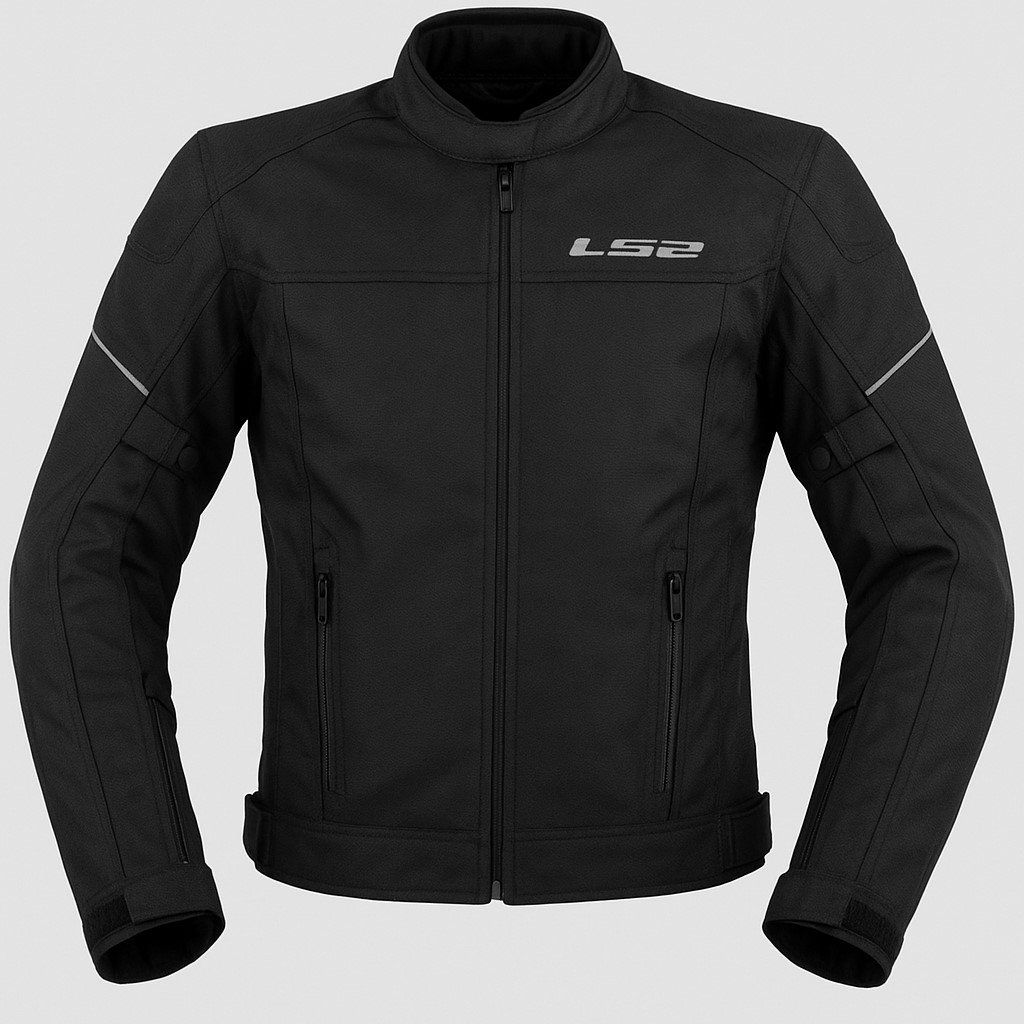
A motorcycle jacket is more than a piece of clothing — it is a critical part of your riding gear that protects you from injury, weather, and road conditions. Many new riders think a jacket is just for looking stylish, but experienced riders know that choosing one of the best motorcycle jackets can mean the difference between walking away from a crash or suffering serious harm.

1. Why the Best Motorcycle Jackets Are Essential
- Impact Protection
A proper riding jacket typically includes CE-approved armor on the shoulders, elbows, and back. This armor absorbs impact energy during a crash, significantly reducing the risk of injury. - Abrasion Resistance
Unlike regular clothes, high-quality motorcycle jackets use materials such as thick leather, reinforced textile, Kevlar panels, or Cordura fabric. These fibers can withstand sliding on asphalt, protecting your skin from severe abrasion. - Weather Protection
A good jacket shields you from sun, wind, cold, rain, and dust. Many jackets come with removable thermal liners for winter and ventilation zippers for summer. - Improved Riding Comfort
Well-designed jackets improve your riding posture, reduce fatigue, and offer comfort padding and temperature regulation. Over long trips, a great jacket makes a huge difference. - Boosted Rider Confidence
When you feel protected, you ride better. Wearing one of the best motorcycle jackets enhances your confidence and control, making every ride safer.
2. Types of Motorcycle Jackets to Consider
When choosing from the many styles out there, think about what kind of riding you do and where you ride most of the time.
- Leather Motorcycle Jackets
- Best suited for sport riders, cruisers, or touring riders
- Made of high-grade leather for excellent abrasion resistance and durability
- Often comes with CE armor, and provides strong wind-blocking protection
- Pros: Maximum protection, classic style, long lifespan
- Cons: Can get very hot in summer, and may not be waterproof
- Textile Motorcycle Jackets
- Ideal for commuters, touring, and adventure riders
- Made from Cordura, ballistic nylon, or other strong synthetic fabrics
- Features may include waterproof membranes, ventilation panels, and removable liners
- Pros: Lightweight, weather-friendly, often more affordable
- Cons: Less abrasion resistance than leather
- Mesh Motorcycle Jackets
- Perfect for hot-weather riding and urban commuting
- Designed for maximum airflow while still offering CE armor
- Pros: Extremely breathable, comfortable in high heat
- Cons: Poor insulation, and not very useful in cold or rainy conditions
- Touring Jackets
- Built for long-distance, all-season riding
- Features include waterproof liners, many pockets, thermal liners, and reflective strips
- Pros: Great for long trips, very weather-resistant, roomy storage
- Cons: Heavy and bulkier than everyday jackets
- Racing (Sport) Jackets
- Designed for sportbike riders or track days
- Tight fit, aerodynamic hump, thick leather, high-end armor
- Pros: Maximum protection at high speeds
- Cons: Not very practical for commuting or casual rides
- Adventure (ADV) Jackets
- Intended for off-road or mixed-surface touring
- Made from reinforced textile, with many vents, waterproofing, and extra protection
- Pros: Versatile, protective, ideal for long mixed terrain trips
- Cons: Heavier, and more expensive than commuter jackets
3. Materials Used in the Best Motorcycle Jackets
- Leather
This material offers the best abrasion resistance, excellent durability, and a timeless look. Leather jackets are ideal for sport, cruiser, or racing riders. - Textile
Fabrics such as Cordura, Kevlar, and ballistic nylon provide great flexibility, water resistance, and breathability. Textile jackets are often lighter and more suited for touring or commuting. - Mesh
For hot climates, mesh is unbeatable. It maximizes ventilation while still allowing room for CE-rated armor, but offers less protection than leather or dense textile. - Hybrid
Some jackets combine leather and textile or mesh, giving you a balanced mix of protection, airflow, and comfort. These hybrids are a smart choice when you ride in varying conditions.
4. Key Safety Features to Look For in the Best Motorcycle Jackets
When shopping, make sure any jacket you consider has these critical safety elements:
- CE-Certified Armor
Look for CE Level 1 or Level 2 protectors at the shoulders, elbows, and optionally the back. These inserts absorb and dissipate impact. - Abrasion-Resistant Panels
Reinforced materials such as Kevlar, Cordura, or reinforced leather help prevent tearing during slides. - Strong Stitching
Double or triple stitching ensures that seams do not rip apart under stress or when sliding on pavement. - Reflective Elements
Reflective strips or panels enhance visibility at night, improving rider safety. - Secure Closures
High-quality YKK zippers, sturdy snaps, and reliable Velcro make sure the jacket stays closed in a crash. - Adjustable Straps
Waist, arms, and cuffs should have straps to help keep armor in place and to allow a customized fit.
5. Choosing the Right Best Motorcycle Jacket for Your Riding Style
- Sportbike Riders
Pick a leather racing jacket with a snug fit, aerodynamic hump, and CE Level 2 armor for maximum protection. - Daily Commuters
A textile or mesh jacket works best — it is lightweight, breathable, and often water resistant, making it comfortable for everyday riding. - Touring Riders
Choose a touring jacket that is waterproof, has a thermal liner, lots of pockets, and ventilation zippers. - Adventure Riders
Opt for an ADV jacket made from reinforced textile, multiple vents, waterproofing, and a long cut to cover more of your body. - Cruiser Riders
A classic leather jacket offers style and strong protection; ideal for laid-back hooning.
6. How Should the Best Motorcycle Jackets Fit?
- Snug but not tight
The jacket should sit close to your body without restricting your movement. - Armor placement
Armor should stay in place when you move your arms — it should not shift around. - Sleeve length
When you stretch your arms forward (as if holding handlebars), the sleeves should still cover your wrists. - Ventilation and insulation
Test how well the jacket breathes in hot weather and how warm it feels in colder conditions — depending on where you ride most often.
7. Weather Considerations for the Best Motorcycle Jackets
- Hot Weather
Use a mesh jacket or a textile jacket with large ventilation panels to maximize airflow. - Cold Weather
Look for a jacket with a thermal liner, windproof fabric, and a high collar to block chills. - Rainy Weather
Waterproof textile jackets with Gore-Tex or sealed seams will keep you dry during heavy downpours.
8. Common Mistakes to Avoid When Buying a Jacket
- Choosing style over safety
- Buying a jacket that is too large
- Ignoring the level of armor protection
- Wearing casual jackets instead of real riding gear
- Forgetting to check ventilation and liner options
9. How Much Should You Spend on One of the Best Motorcycle Jackets?
- Mesh Jackets — $50 to $120: Good for summer or commuting.
- Textile Jackets — $100 to $200: Great all-round value.
- Touring Jackets — $150 to $280: Designed for long-distance comfort.
- Leather Jackets — $180 to $400: Maximum protection and style.
- Racing Jackets — $250 to $600: High-end materials, armor, and design.
A quality jacket is a long-term investment — a good one can last for years, so it’s worth spending wisely.
10. Care and Maintenance Tips for the Best Motorcycle Jackets
- Clean regularly using mild soap (especially for textile jackets).
- Do not expose leather to direct heat sources; instead, air-dry it.
- Re-oil or condition leather occasionally to keep it supple.
- For textiles, simply rinse out salt or grime, then hang dry.
- Check zippers, snaps, and stitching periodically to ensure they remain strong.
Conclusion
Choosing the best motorcycle jackets is one of the most important decisions you can make as a rider. A quality jacket offers essential protection, comfort, and style that normal clothing cannot match. Whether you’re commuting, touring, racing, or cruising, there is a jacket that fits your specific needs. Invest in the right material, make sure it fits well, and choose proper armor — because your jacket is not just gear, it’s your second skin on the road.
Betpaw
Pingback: Top Motorcycle Backpacks – Waterproof and Comfortable