
Published: March 2026 | By Christopher @ MotoGearsPro
Choosing the right motorcycle jacket is crucial for every rider who values safety, comfort, and confidence on the road. A high-quality motorcycle jacket is more than just riding gear — it is your first layer of protection in unpredictable situations. Whether you are a beginner or a seasoned enthusiast, investing in the correct motorcycle jacket can completely change your riding experience. From certified protection to real-world comfort, this guide explains everything you need to know before buying your next motorcycle jacket.
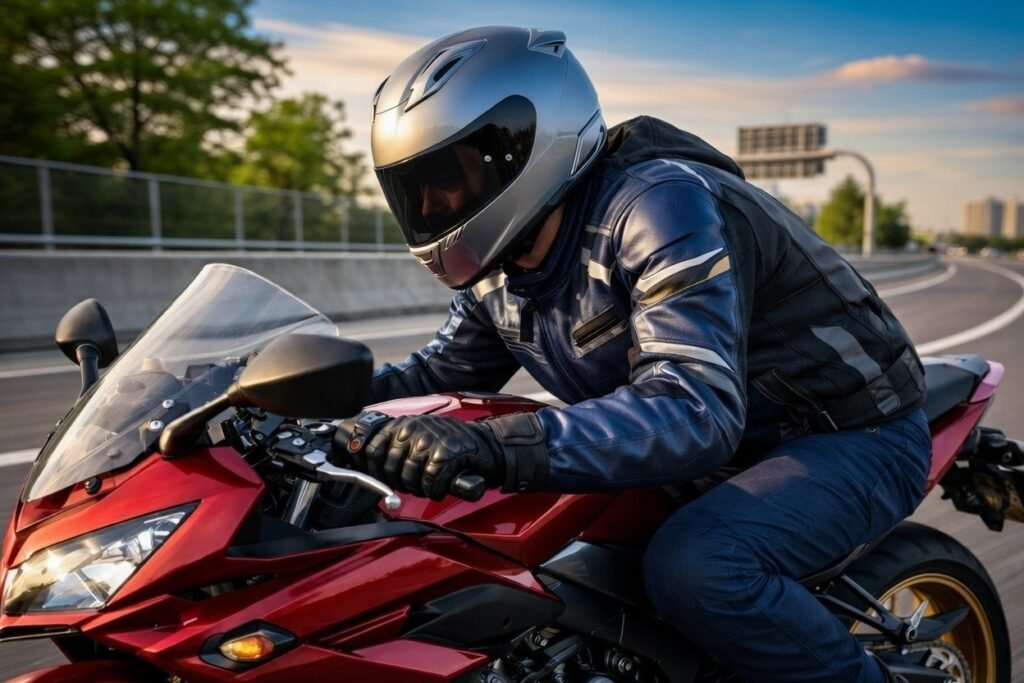
Why a Proper Motorcycle Jacket Matters
A well-designed motorcycle jacket protects against abrasion, impacts, and harsh weather conditions. During a slide, even a few extra seconds of abrasion resistance can prevent serious road rash. Many riders underestimate how important a certified motorcycle jacket truly is, but the reality is simple: proper gear saves skin, reduces injuries, and improves focus while riding.
Beyond safety, the right jacket improves posture and reduces fatigue. A poorly designed jacket can restrict movement and cause discomfort on long rides. A properly fitted, ergonomically designed motorcycle jacket supports natural riding position, helping you stay comfortable mile after mile.
Understanding CE Ratings in 2026 – The Foundation of Real Protection
The CE rating is the backbone of any reliable jacket. If you are buying a serious motorcycle jacket, you must understand EN 17092 certification standards. This European safety regulation classifies riding gear into performance levels that reflect real protection capability.
Always check the label inside the collar or inner hem of your motorcycle jacket to confirm certification.
CE Protection Classes
| CE Class | Abrasion Resistance | Impact Protection Required | Recommended Rider Type | Key Benefit |
|---|---|---|---|---|
| AAA | Highest level | Level 1 or 2 armor | High-speed & long-distance riders | Maximum slide time |
| AA | Excellent | Level 1 or 2 armor | Daily commuting & touring | Best balance |
| A | Good | Level 1 or 2 armor | Urban & short rides | Lightweight comfort |
| B | Basic | No armor required | Very light use | Minimal protection |
| C | Limited | None | Not recommended for road use | Fashion only |
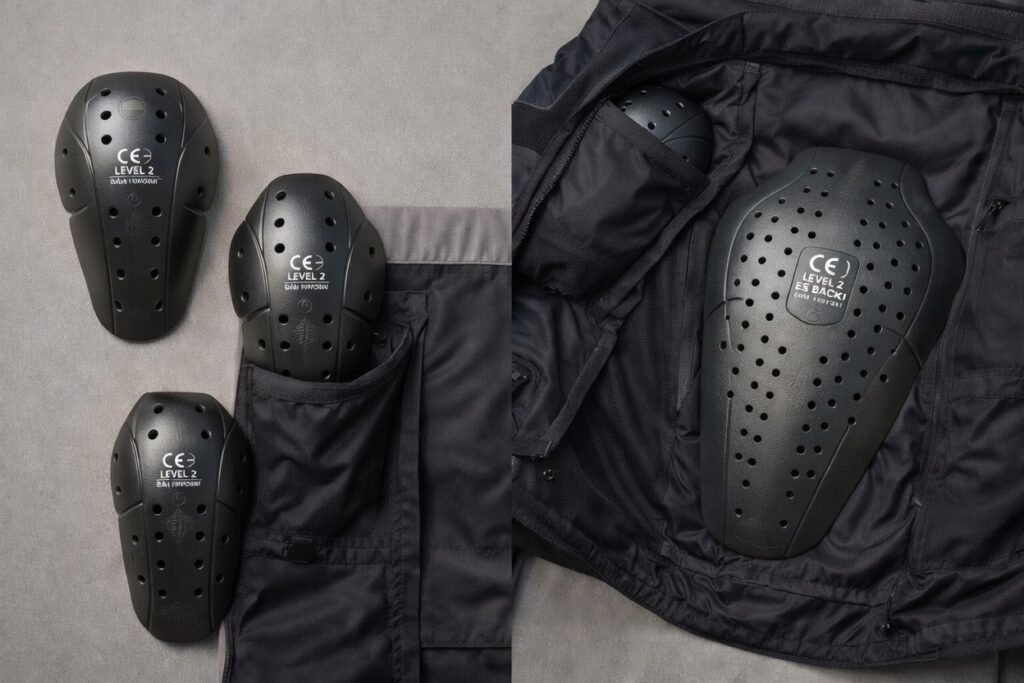
Armor follows EN 1621 standards:
- Level 1 absorbs standard impact force
- Level 2 absorbs significantly more force (recommended for highway use)
Most modern jackets include upgradeable armor pockets, allowing you to improve protection later. However, many do not include a back protector by default — never skip adding one to your motorcycle jacket.
Materials Breakdown: Leather vs Textile vs Mesh
Choosing the correct material for your motorcycle jacket depends on climate, riding style, and personal comfort.
Material Comparison Table
| Material Type | Abrasion Protection | Breathability | Weight | Weather Versatility | Best For |
|---|---|---|---|---|---|
| Leather (perforated options) | Outstanding | Moderate | Heavier | Best in dry conditions | Sport & cruiser riders |
| Textile (Cordura, ballistic nylon) | Very good | High when vented | Lighter | Excellent with liners | Touring & commuting |
| Mesh (reinforced panels) | Good | Excellent | Lightest | Ideal for hot weather | Urban & summer riding |
Hybrid designs are extremely popular in 2026. These combine mesh airflow zones with reinforced textile or leather impact areas. While full leather offers superior slide performance, textile hybrids provide better everyday versatility.
Armor & Protection Features You Cannot Compromise On
Every serious motorcycle jacket must include CE-certified shoulder and elbow armor. These protectors should fit securely and remain stable during impact. Look for:
- Adjustable armor pockets
- Level 2 upgrade compatibility
- Double or triple stitching in impact zones
- Chest protector compatibility
- Secure back protector pocket
Loose armor or single-stitched seams are warning signs of low-quality construction.
Fit & Sizing – The #1 Reason Riders Replace Their Motorcycle Jacket
Fit determines whether your motorcycle jacket performs properly in a crash. If it is too loose, armor shifts. If it is too tight, airflow and mobility suffer.
Always try the jacket in riding position:
- Lean forward slightly
- Extend arms as if gripping handlebars
- Check shoulder rotation
Measure chest and waist accurately, and compare to the manufacturer’s size chart. Many brands now offer short, regular, and tall sizing for better torso fit.
Ventilation & Hot-Weather Performance
Ventilation determines how comfortable your motorcycle jacket feels during summer rides. Large mesh panels outperform tiny perforations. Zippered vents allow airflow control depending on speed and temperature.
Features to look for:
- Chest intake vents
- Rear exhaust vents
- Removable thermal liners
- Moisture-wicking inner lining
- Hydration system routing (for touring models)
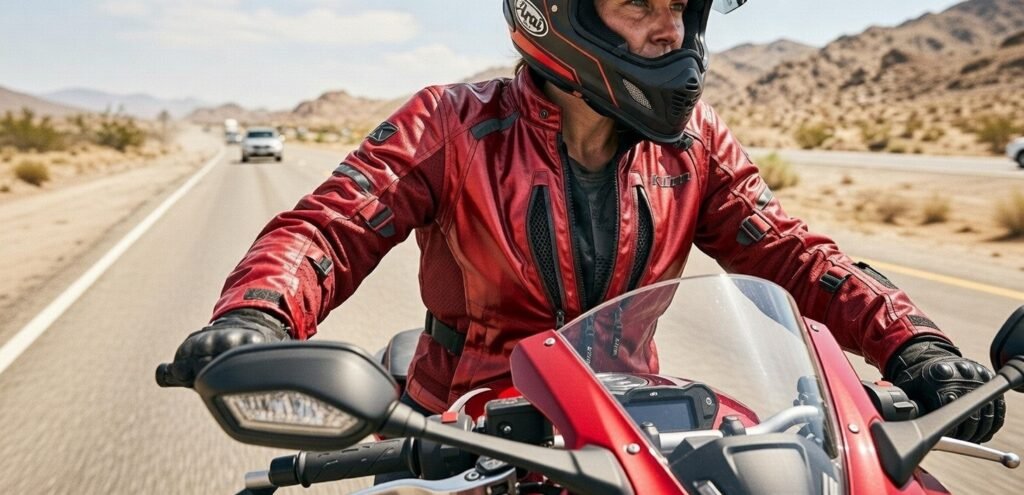
Proper airflow prevents heat fatigue and improves concentration on long rides.
Budget Breakdown 2026 – Finding Real Value
Investing wisely in a motorcycle jacket ensures long-term safety and durability.
- Under $500 – Solid AA-rated options for beginners
- $800–$1,500 – Best value range for serious riders
- $1,500+ – Premium touring or track-level protection
Higher price does not always mean better protection — certification and construction quality matter most.
Common Mistakes to Avoid in 2026
Avoid these common errors:
- Buying fashion-only jackets without CE certification
- Ignoring ventilation for style
- Skipping a back protector
- Not checking stitching quality
- Choosing incorrect size
A stylish but uncertified jacket is not real riding protection.
Frequently Asked Questions About Motorcycle Jackets (2026)
1. What is the safest CE rating for a motorcycle jacket?
The safest rating under EN 17092 is AAA. AAA-rated motorcycle jackets provide the highest abrasion resistance and are recommended for high-speed riding and long-distance touring. However, AA-rated jackets offer an excellent balance between protection and comfort for most riders.
2. Is CE Level 2 armor worth it?
Yes. Under EN 1621 standards, Level 2 armor absorbs significantly more impact force than Level 1. For highway riding or aggressive touring, upgrading your motorcycle jacket to Level 2 armor is strongly recommended.
3. Do all motorcycle jackets come with a back protector?
No. Many motorcycle jackets include shoulder and elbow armor but do not include a back protector by default. Always check the product description and add a CE-certified back protector if it is not included.
4. Are mesh motorcycle jackets safe?
Modern reinforced mesh jackets are safe for urban and hot-weather riding when they include CE-certified armor and reinforced impact zones. However, full leather or high-quality textile jackets generally offer better abrasion resistance at higher speeds.
5. Should a motorcycle jacket fit tight or loose?
A motorcycle jacket should fit snug but not restrictive. Armor must stay in place when you move into riding position. If the jacket is too loose, protection can shift during impact.
6. Is leather better than textile for motorcycle jackets?
Leather offers superior abrasion resistance, especially for sport riding. Textile jackets provide better versatility, weather resistance, and ventilation. The best choice depends on climate and riding style.
7. How long does a motorcycle jacket last?
A high-quality, well-maintained motorcycle jacket can last 5–10 years or more. Inspect stitching, zippers, and armor regularly. Replace the jacket if it has been involved in a crash.
8. What mistakes should I avoid when buying a motorcycle jacket?
Common mistakes include:
- Buying non-certified fashion jackets
- Ignoring CE ratings
- Skipping a back protector
- Choosing style over ventilation
- Selecting the wrong size
9. Can I upgrade the armor later?
Yes. Most modern motorcycle jackets have removable armor pockets that allow upgrading to Level 2 protectors.
Final Verdict – Choosing the Right Motorcycle Jacket in 2026
A motorcycle jacket is not just riding gear — it is critical protection that can make the difference between minor injuries and serious consequences. In 2026, understanding CE ratings, EN 17092 certification, and EN 1621 armor levels is no longer optional. It is essential knowledge for every serious rider.
Whether you choose leather for maximum abrasion resistance, textile for versatility, or mesh for hot-weather comfort, your motorcycle jacket must be certified, properly fitted, and equipped with reliable armor. AAA or AA-rated protection combined with Level 2 armor offers the safest balance for most riders.
Never buy based on style alone. Check certification labels, inspect stitching quality, confirm armor placement, and always add a back protector if one is not included.
Invest once. Ride confidently. Stay protected every mile.
Your motorcycle jacket is your first line of defense — choose it wisely.