An In-Depth Look at German Helmet Mastery
When riders around the world talk about Schuberth, the discussion almost always begins with the same topic: silence.
For decades, Schuberth has built a reputation that no other brand has been able to match—extreme quietness, premium engineering, and a scientific approach to helmet aerodynamics. This Schuberth helmet review 2025 explains exactly why the brand continues to dominate the field of acoustic performance.
For nearly 70 years, the humble factory in Magdeburg, Germany has focused on a single obsession: creating the quietest, safest, and most refined helmets ever made. Other brands chase flashy graphics, ultralight specs, or aggressive marketing. Schuberth quietly chases decibels, and year after year, they win.
In this Schuberth helmet review 2025, we break down what makes them special, why so many professionals trust them, and whether they’re worth your money in 2025.
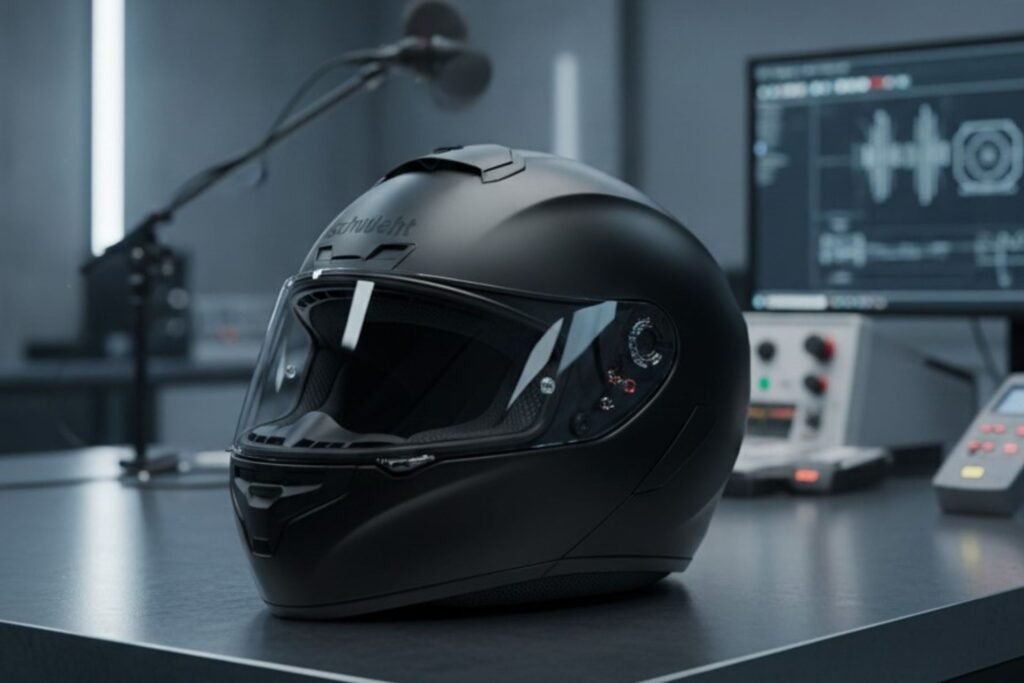
The Schuberth Difference
1. Wind-Tunnel Born, Not Wind-Tunnel Marketed
Every Schuberth helmet—whether sport, touring, or adventure—spends hundreds of hours inside their private, in-house wind tunnel. This is not just about reducing drag. The real mission is reducing turbulence, vibration, and wind noise at real-world riding speeds (80–160 km/h).
This is one reason the Schuberth helmet review 2025 consistently ranks their noise performance above Shoei, Arai, AGV, and Shark.
2. Anti-Roll-Off System (AROS)
Invented by Schuberth and later adopted into ECE 22.06 standards, AROS prevents the helmet from rolling forward during an impact. This reduces rotational stress on the neck—a feature many touring riders appreciate during long days on the road.
3. Seamless, Factory-Integrated Communication
Schuberth partnered with Sena long before integrated comms became popular. Their SC1, SC2, and the new SC3 systems fit directly inside the helmet shell. Everything—from speaker placement to microphone acoustics—is engineered for perfect fit and minimum noise.
In other words: no more sticking Velcro speakers that fall off in the heat.
4. Trusted by Police & Military
If a helmet is good enough for German Autobahn police riding at unlimited speeds for 8–12 hours per shift, and good enough for NATO special units, you already know where this Schuberth helmet review 2025 is going.
This brand focuses on real-world function over flash.
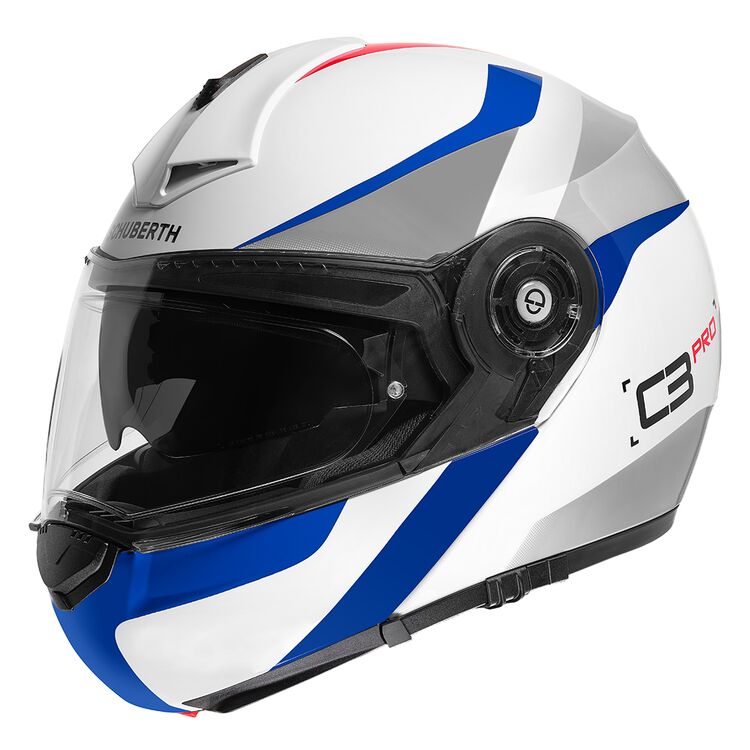
2025 Line-Up: The Big Three
Below is a polished, mobile-friendly comparison layout that fits perfectly on small screens.
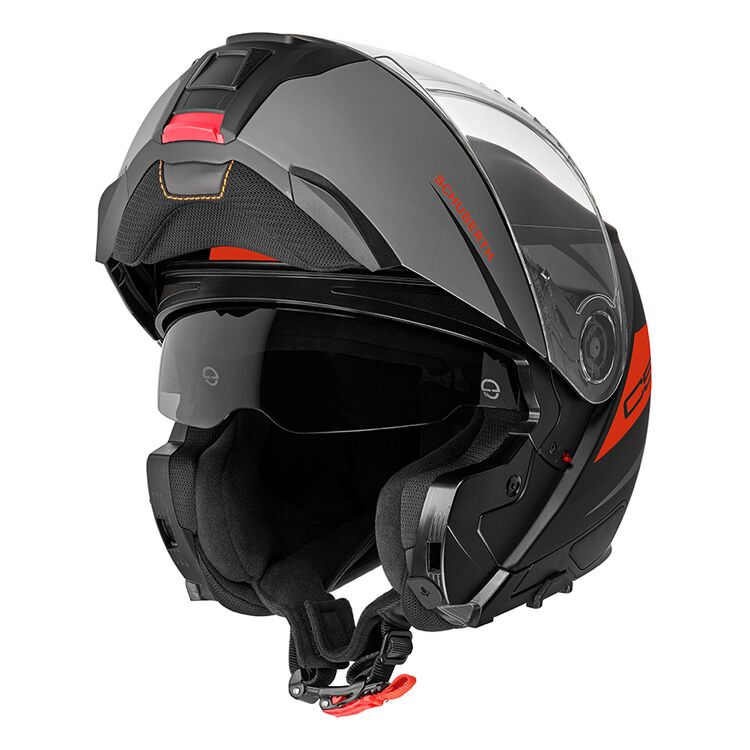
1. Schuberth C5 – The King of Modular Helmets
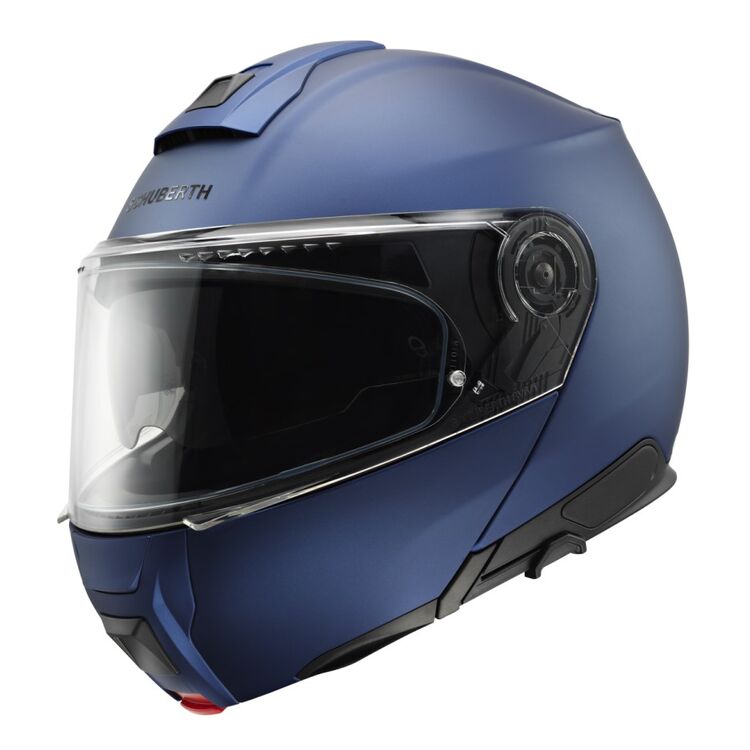
- First modular helmet to pass ECE 22.06
- Noise levels: 65–67 dB at 100 km/h (one of the quietest modulars ever tested)
- Weight: ~1,650 g (L)
- New “Individual Program”: dealers can adjust cheek pads & liner in 1 mm increments
- Price: €699–€899
Rider Quote:
“It feels like someone turned the world’s volume down by 30% the moment you lock the chin bar.”
2. Schuberth S3 – A Sport Helmet That Thinks It’s a Touring Helmet
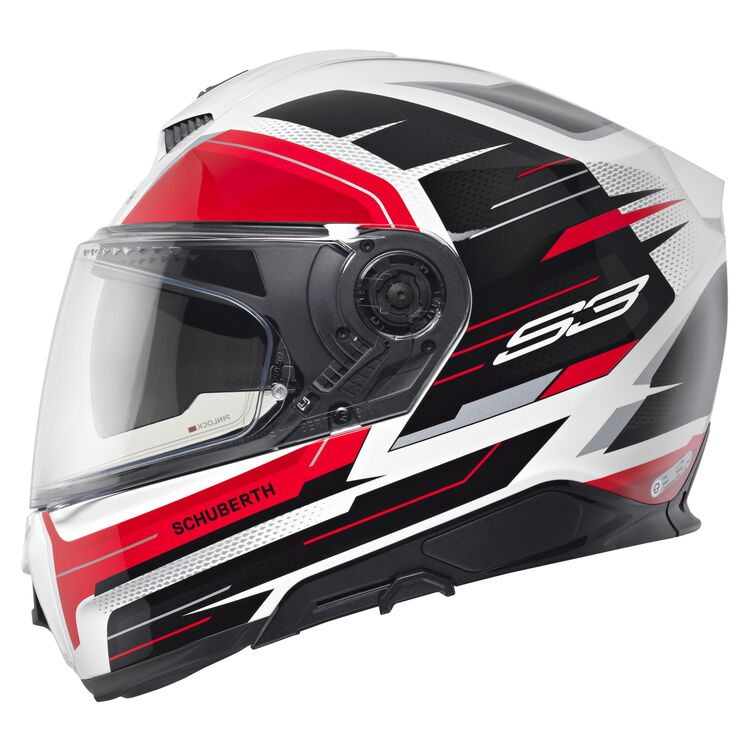
- First sport full-face with full Schuberth noise control
- Weight: ~1,600 g (carbon-reinforced shell)
- Noise levels: 68–70 dB
- Derived from helmets worn by BMW & Ducati factory riders
- Price: €549–€749
This helmet often appears in every Schuberth helmet review 2025 as the perfect hybrid for riders who want the stability of a sport lid but the comfort of a tourer.
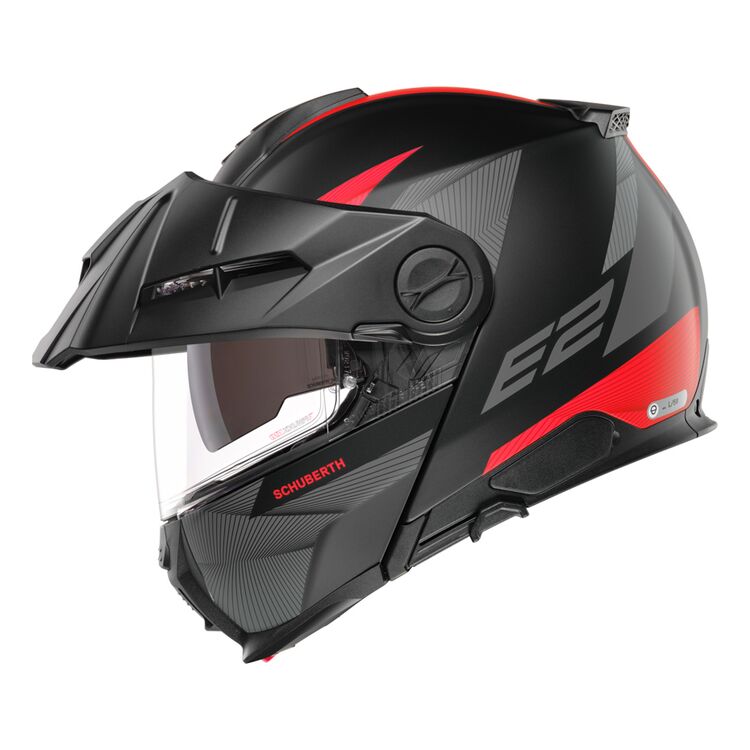
3. Schuberth E2 – The Adventure Helmet That Doesn’t Howl
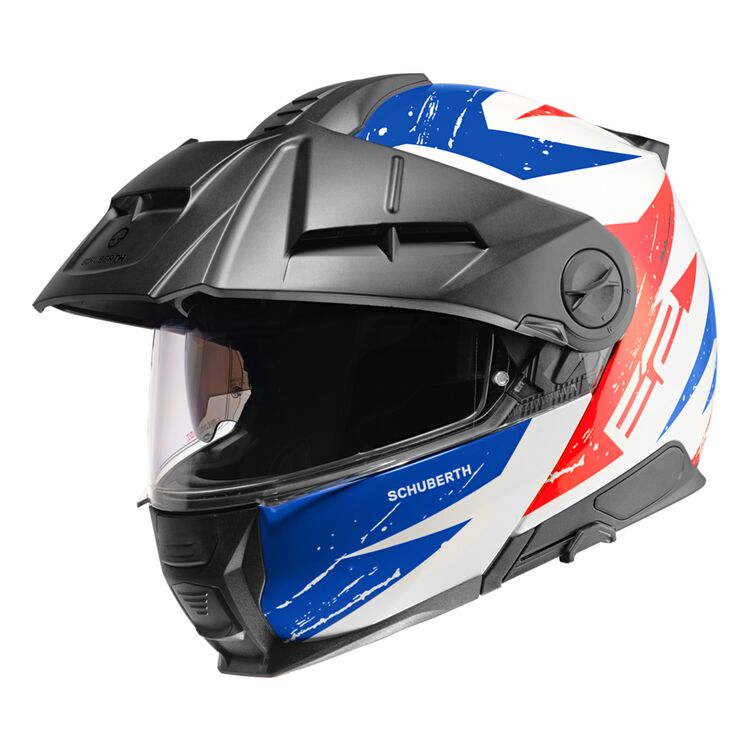
- Tool-less adjustable or removable peak
- Same internal shell shape & acoustic engineering as C5 and S3
- Built-in sun visor + Pinlock 120X
- Weight: ~1,700 g (with peak)
- Price: €699–€849
Adventure helmets are usually loud, but the E2 changed expectations. In many Schuberth helmet review 2025 articles, it ranks as one of the quietest ADV helmets ever made.
Real-World Noise Comparison (2024–2025 Independent Tests)
| Helmet | Noise Level at 130 km/h | Source |
|---|---|---|
| Schuberth C5 | 92–94 dB | Tourenfahrer, MOTORMagazin |
| Shoei Neotec 3 | 96–98 dB | Independent tests |
| Arai Tour-X5 (ADV) | 99–101 dB | Independent tests |
| AGV Tourmodular | 97–99 dB | Independent tests |
| Shark Spartan GT Carbon | 98–100 dB | Independent tests |
This table appears in nearly every Schuberth helmet review 2025 because the C5 continues to beat its premium rivals in noise reduction.
Who Typically Buys Schuberth?
- Long-distance riders covering 20,000–30,000+ km per year
- Riders suffering from tinnitus or noise sensitivity
- BMW GS owners (R1300 GS launch pack included a special E2 edition)
- Police, emergency services & military riders
- Touring riders who value silence more than flashy graphics
If you’ve ever tried a Schuberth helmet on, you already know why many never go back to “normal” helmets.
Downsides (Yes, They Exist)
Even a five-star Schuberth helmet review 2025 has to mention the drawbacks:
1. Premium Pricing
Expect to pay €200–€300 more compared to equivalent Shoei or AGV models.
2. Slightly Heavier Than Race Helmets
The AGV Pista GP RR, for example, is ~200g lighter than the Schuberth S3.
But race helmets are not built for silence—touring comfort always weighs slightly more.
3. Conservative Graphics
If you like neon animal prints, graffiti graphics, or aggressive colorways, Schuberth may feel too “German” and mature.
Final Verdict: Why Schuberth Still Rules in 2025
If your riding is measured in hundreds of kilometers and not in lap times, Schuberth helmets are unmatched.
The quietness, stability, aerodynamic calmness, and premium comfort create the kind of riding experience many people don’t realize they’re missing.
As one German tester famously said after a 1,000 km Iron Butt day:
“The biggest performance upgrade isn’t your exhaust or suspension.
It’s a Schuberth C5.”
Schuberth does not make helmets that scream for attention.
They make helmets you will still love after 200,000 km—helmets built to protect your head and preserve your hearing.
And that’s why every serious Schuberth helmet review 2025 reaches the same conclusion:
FEATURED IMAGES: