
(Real-World Winter Riding Tested)
If you ride year-round, you already know how frustrating bad cold weather gloves can be. Some are warm but unusable on a phone or GPS. Others claim touchscreen support but leave your fingers numb after 20 minutes.
The truth is simple: winter riding exposes weak gear very quickly. Cold fingers reduce control, slow reaction time, and make small tasks distracting instead of effortless. Choosing the right gloves isn’t about marketing claims — it’s about what works when the temperature drops and the wind picks up.
This guide breaks down five gloves that genuinely perform in winter, focusing on warmth, touchscreen usability, comfort, and real riding scenarios — not lab specs.
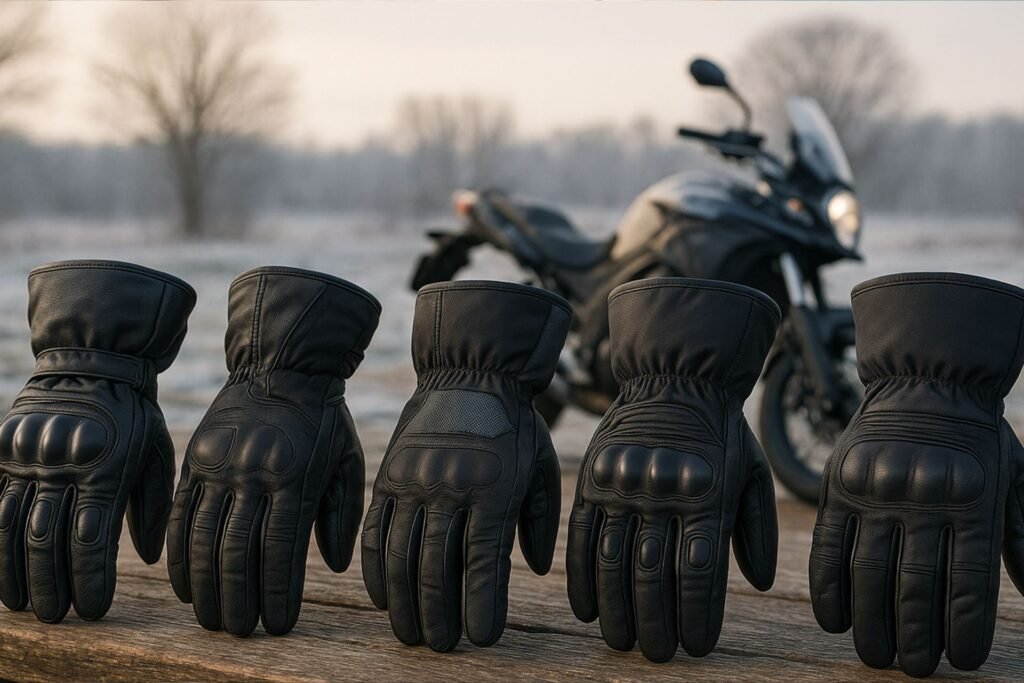
Heated vs Insulated Cold Weather Gloves
Before comparing models, one distinction matters more than anything else:
- heated gloves and insulated gloves solve different problems.
- Insulated cold weather gloves slow heat loss. Heated gloves replace heat entirely.
- That difference becomes very clear once you start riding longer distances or at highway speeds.
Insulated Gloves: Effective—Until They’re Not
Insulated gloves rely on your body heat. They work well for:
- Short commutes
- Mild winter conditions
- Bikes with heated grips
But once wind chill builds or circulation drops, insulation alone struggles to keep up.
Heated Gloves: Serious Winter Control
Heated gloves actively generate warmth. In rain, near-freezing temperatures, or long rides, they maintain finger dexterity far better than insulation alone.
Understanding this difference helps you choose the right cold weather gloves for your riding style.
Quick Comparison
Gerbing 12V Vanguard
- Type: Heated
- Warmth: Extreme
- Touchscreen: Excellent
- Best For: Freezing long-distance rides
REV’IT! Kryptonite 3 GTX
- Type: Insulated
- Warmth: High
- Touchscreen: Excellent
- Best For: Daily winter commuting
Alpinestars Bogota Drystar XF
- Type: Touring Insulated
- Warmth: Medium–High
- Touchscreen: Good
- Best For: Touring & ADV
Held Air N Dry GTX II
- Type: Hybrid 2-in-1
- Warmth: Adjustable
- Touchscreen: Very Good
- Best For: Variable climates
REV’IT! Cassini H2O
- Type: Budget Insulated
- Warmth: Medium
- Touchscreen: Good
- Best For: City riding
1. Gerbing 12V Vanguard — Maximum Protection From the Cold
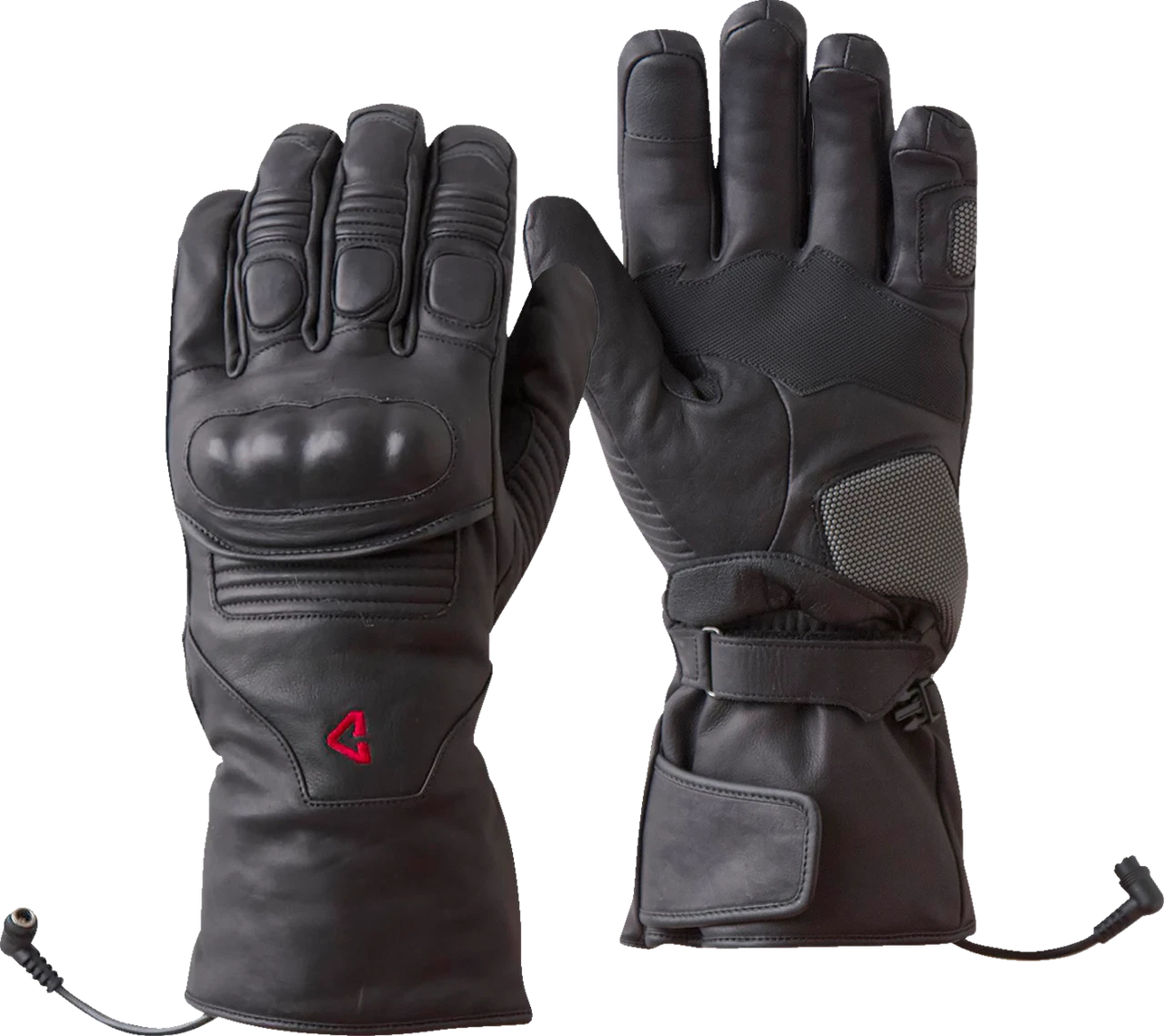
The Gerbing 12V Vanguard is built for riders who refuse to park their bike during real winter. Among all cold weather gloves in this list, this is the most uncompromising option.
Heat comes from Gerbing’s Microwire system, running through every finger and thumb — not just the palm. This keeps fingertips warm and flexible, which directly improves touchscreen accuracy and control feel.
Pros
- Outstanding heat distribution
- Excellent touchscreen precision
- Unlimited power via bike connection
- Strong leather protection
Cons
- Expensive
- Requires motorcycle wiring
- Overkill for mild climates
Best for: Riders commuting or touring in freezing temperatures who want zero compromise.
2. REV’IT! Kryptonite 3 GTX — The Best Non-Heated Option
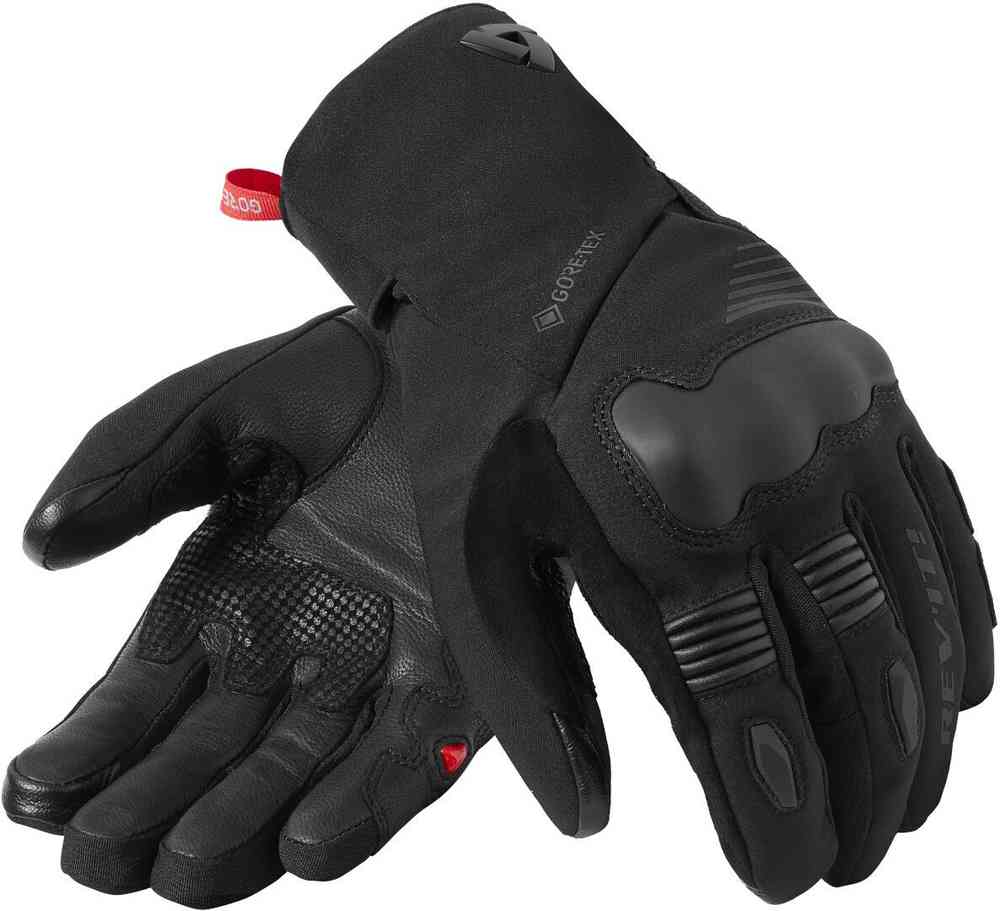
For riders who want premium insulation without wiring or batteries, this is one of the best cold weather gloves available.
The GORE-TEX Grip construction bonds all layers together, eliminating the “floating finger” feeling common in winter gloves. The result is better control, better feedback, and surprisingly accurate touchscreen use.
Pros
- Excellent dexterity
- Reliable touchscreen performance
- Fully waterproof
- No batteries to manage
Cons
- Not suitable for extreme cold
- Premium price for insulation-only
Best for: Daily commuters riding in cold, wet weather.
3. Alpinestars Bogota Drystar XF — Built for Long Rides
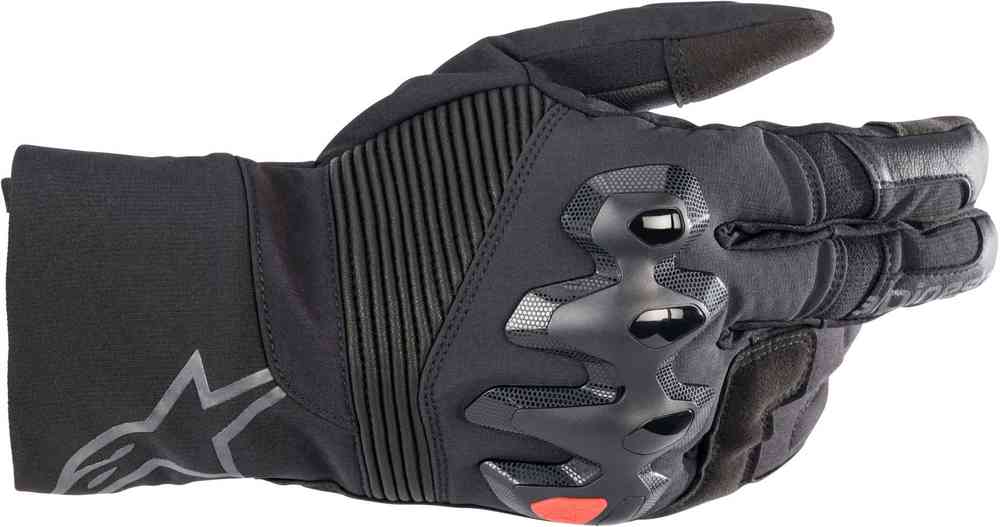
This glove prioritizes comfort and consistency over extremes, making it a strong touring-focused cold wether gloves option.
The Drystar XF membrane keeps rain out while allowing moisture to escape, which matters on long days. Touchscreen performance is dependable, though slightly less precise than thinner gloves.
Pros
- Comfortable for long hours
- Excellent waterproofing
- Balanced warmth
- Stable control feel
Cons
- Slightly bulky
- Touchscreen isn’t ultra-precise
Best for: Touring and adventure riders facing mixed conditions.
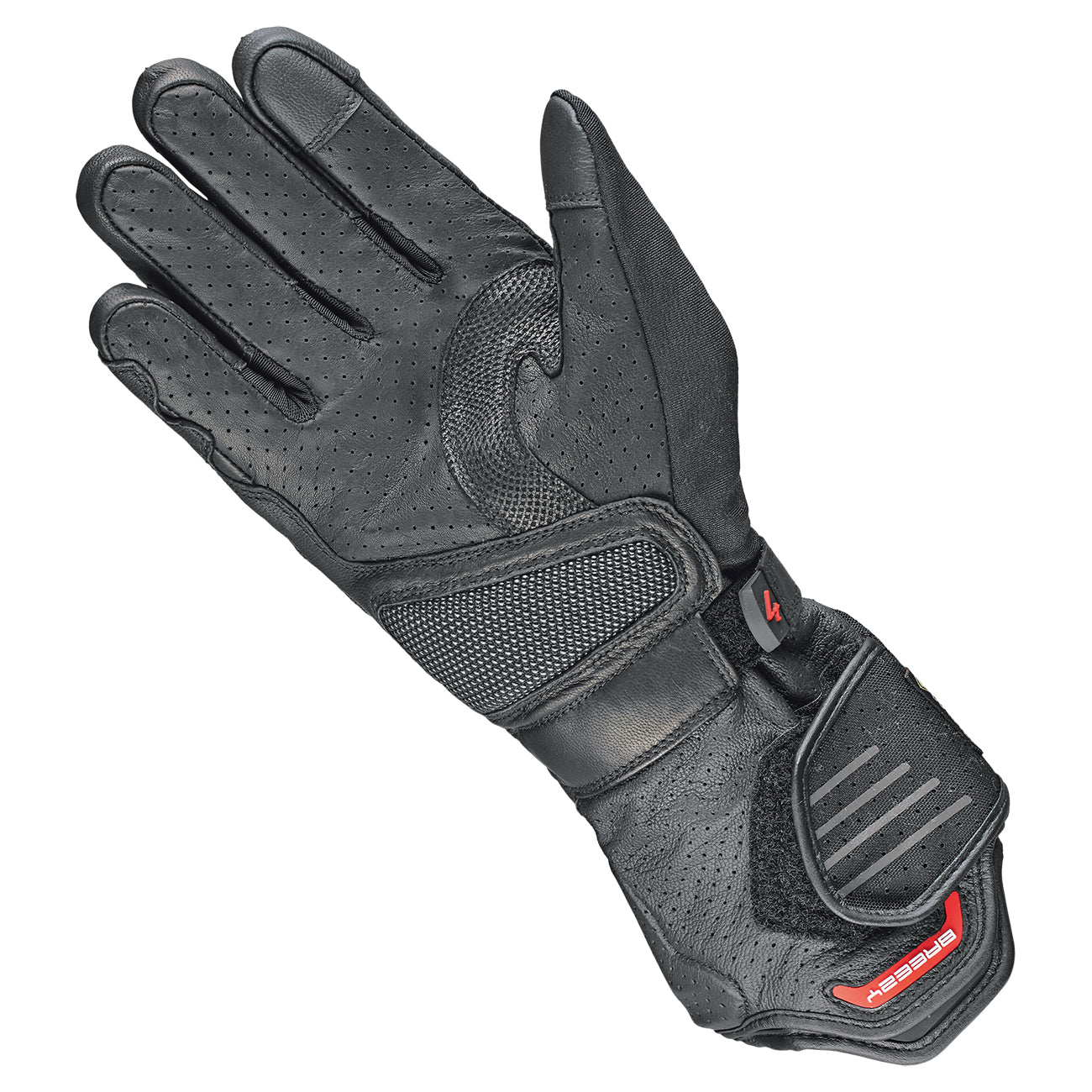
4. Held Air N Dry GTX II — One Glove, Two Conditions
This is one of the smartest cold weather gloves designs on the market.
Two internal chambers let you choose between:
- An unlined dry chamber
- An insulated waterproof chamber
Touchscreen use is excellent in dry mode and still functional when insulated.
Pros
- Exceptional versatility
- Premium materials
- Strong protection
- Adaptable to changing weather
Cons
- Expensive
- Learning curve
- Not built for extreme freezing
Best for: Riders crossing elevations or climates in a single trip.
5. REV’IT! Cassini H2O — Budget-Friendly and Honest
The Cassini H2O proves that affordable cold wether gloves can still be functional.
It’s warm enough for short rides, waterproof enough for rain, and touchscreen-compatible enough for navigation and calls. It doesn’t try to compete with premium gloves — and that’s its strength.

Pros
- Affordable
- Comfortable for city riding
- Functional touchscreen support
- Decent rain protection
Cons
- Limited insulation
- Not ideal for highway speeds
- Less armor than premium options
Best for: Urban riders and short-distance commuters.
Final Verdict: Choosing the Right Cold Weather Gloves
The best gloves aren’t the most expensive — they’re the ones that match how you ride.
- Long rides in freezing temperatures → Heated gloves
- Daily cold rain commuting → Premium insulation
- Changing climates → Versatility matters
Good cold wether gloves don’t just keep your hands warm. They keep you confident, focused, and in control — and that’s what makes winter riding enjoyable instead of miserable.