
I lost a sleeping bag, a rain jacket, and about $200 in tools on a stretch of I-80 outside Rock Springs, Wyoming. A crosswind caught my cheap soft saddlebag, the strap worked loose, and by the time I noticed in my mirror, the bag was already tumbling into the median. That was fifteen years ago. I’ve been obsessive about luggage ever since.
So when riders ask me about hard vs soft motorcycle saddlebags, I don’t give them a spec sheet. I give them the truth, built from a decade of dropped bikes, soaked gear, and a stolen pannier outside a Motel 6 in Nebraska. Both systems work. Both systems fail, too, if you buy the wrong one for how you actually ride.
This guide walks through what each system is made of, how they perform when things go wrong, and which one fits your riding style. No fluff. Just what I wish someone had told me before that Wyoming wind ate my gear.
The Anatomy of Hard Saddlebags
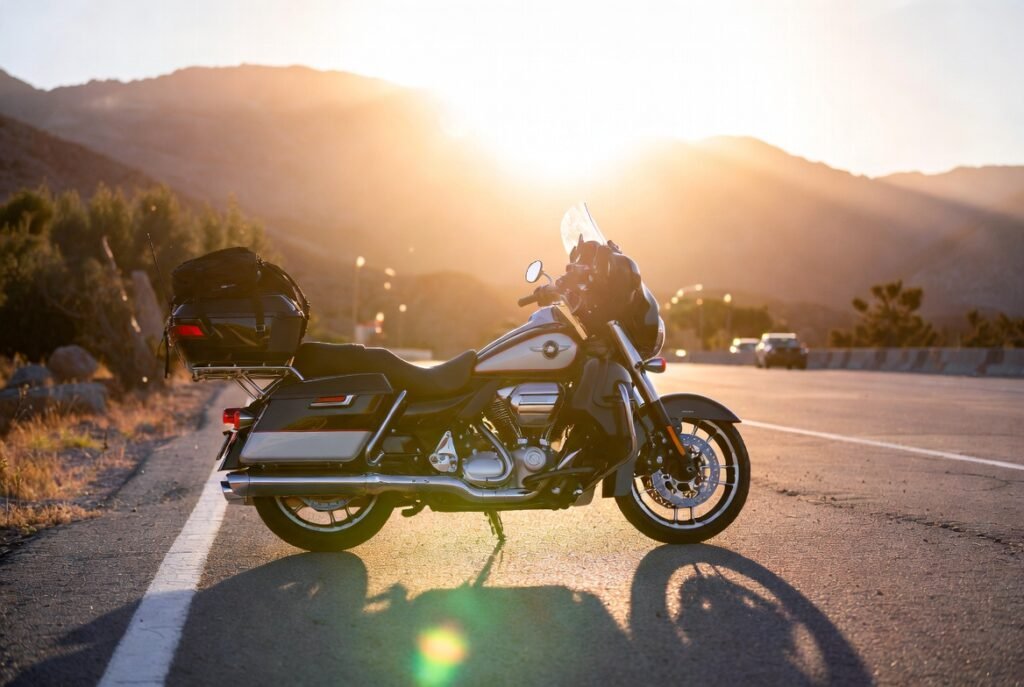
Any real conversation about hard vs soft motorcycle saddlebags has to start with materials, because that’s what determines how a bag actually holds up. Hard saddlebags come in three main materials, and each one behaves differently once you’re actually riding, not just reading a spec sheet in a dealership.
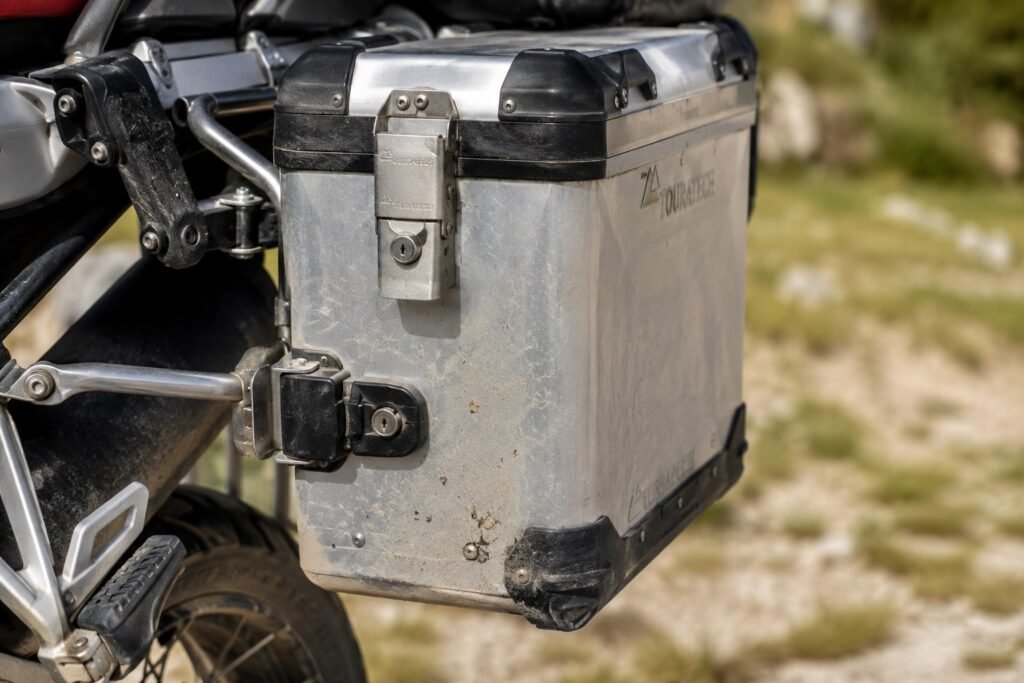
ABS plastic is the budget option. It’s light, it’s cheap to manufacture, and it cracks. I’ve seen ABS panniers shatter in a low-speed parking lot tip-over that a leather bag would’ve shrugged off. Fiberglass splits the difference — stiffer, more impact-resistant, but it can still spiderweb if you catch a curb hard enough. Marine-grade aluminum, the stuff you see on adventure bikes at overland rallies, is the toughest of the three. It dents instead of cracking, which matters more than you’d think. A dented box still closes. A cracked one doesn’t.
Security You Can Actually Rely On
Here’s the thing about lockable hard saddlebags for touring: the lock isn’t just a feature, it’s the whole point. I’ve parked a loaded bike outside a diner in rural Texas and walked away without a second thought, because the bags were bolted shut with real hardware. Try that with a soft bag secured by a zipper pull and a padlock, and you’re just slowing a thief down by ten seconds. Hard cases with integrated locks are the closest thing to a safe you can bolt to a motorcycle.
Weatherproofing and Stability at Speed
At 75 mph in a stiff crosswind, a well-mounted hard case barely moves. The bike shifts under you, sure, but the bags stay locked in their line. That stability matters on multi-day hauls where fatigue creeps in and you need the bike to behave predictably. Latched properly, hard cases also seal out rain completely — no roll-tops, no dry bags inside, just close the lid and forget about it.
The Structural Reality Nobody Talks About
Hard motorcycle saddlebags with mounting brackets put real stress on your subframe. This is the part dealerships gloss over. Cheap brackets flex under load, and over thousands of miles that flex works itself into stress cracks around the mounting points. I learned this after a subframe bolt sheared on a fully loaded GS in Colorado — not catastrophic, but enough to strand me for a day. If you’re going hard-case, budget for quality brackets and check them every oil change. Don’t cheap out here.
Leather vs Hard Saddlebags Cruiser
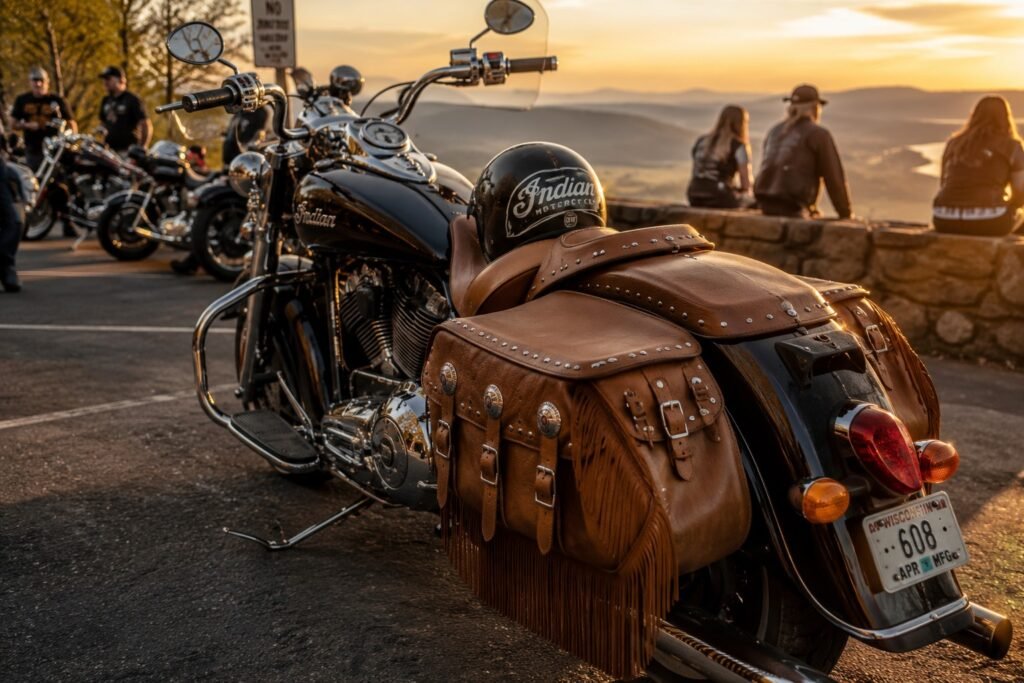
If you ride a cruiser, this comparison hits different. Leather vs hard saddlebags cruiser debates aren’t really about function — they’re about identity. Leather bags look right on a Harley or an Indian in a way that a squared-off aluminum box never will. They break in, they age, they develop character. But leather isn’t waterproof without treatment, it stretches over time, and it offers zero real security against a determined thief with a box cutter. Hard cases on a cruiser sacrifice some of that classic silhouette for genuine lockable storage. I’ve owned both on cruisers, and honestly, it comes down to whether you’re touring cross-country or cruising to a Saturday bike night. Different jobs, different tools.
The Anatomy of Soft Saddlebags
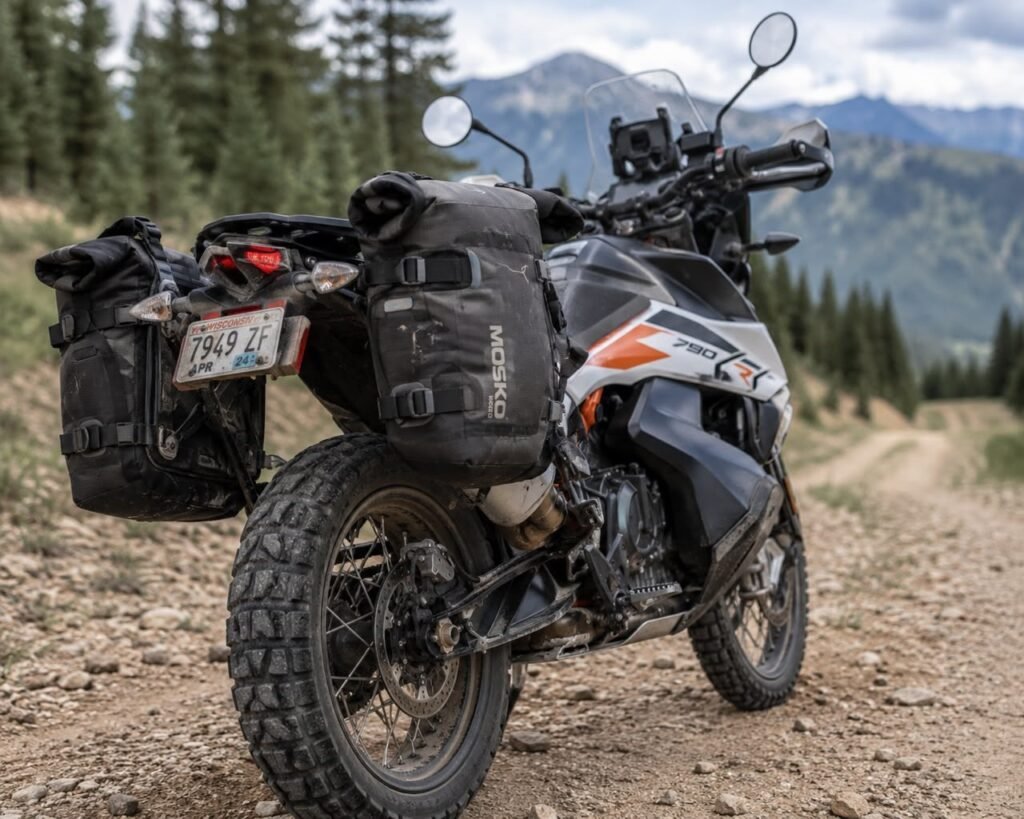
Soft luggage lives and dies on its fabric. 1680D ballistic nylon is the industry standard — dense, abrasion-resistant, and tough enough to survive years of strapping and unstrapping. TPU-coated Cordura takes it further, adding a waterproof polyurethane layer bonded to the fabric so water beads and rolls off instead of soaking through. Roll-top closures, borrowed straight from dry-bag design, seal by folding the top over itself multiple times and clipping it shut — no zipper to fail, no seam to leak.
Why Soft Bags Don’t Crush a Leg
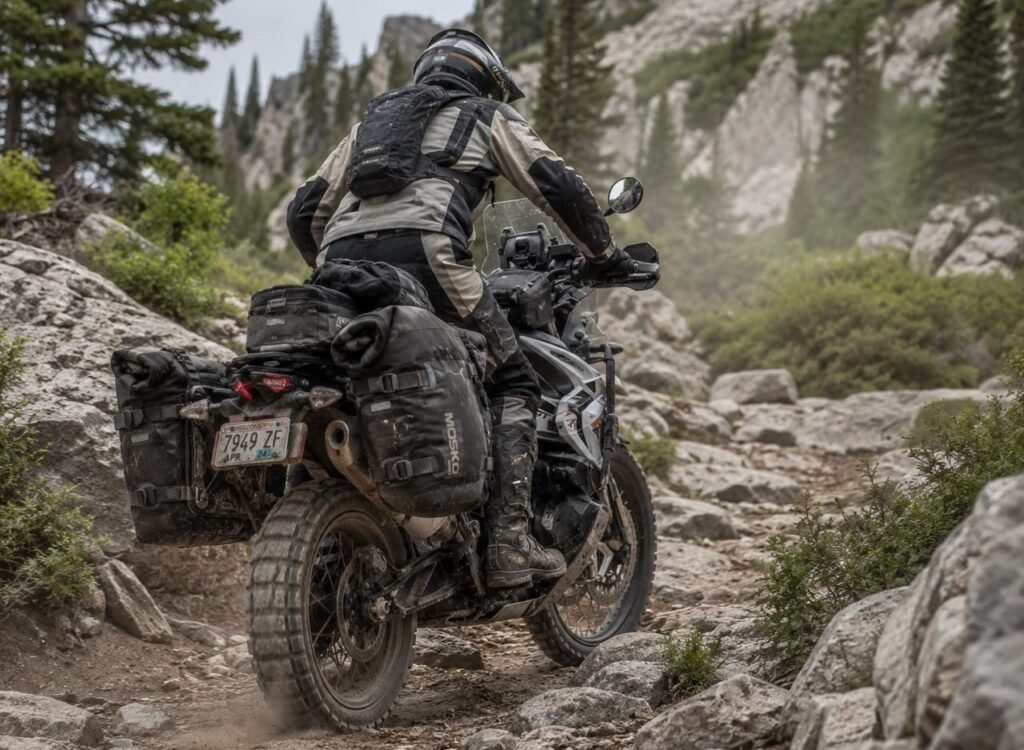
I dropped a loaded adventure bike on a gravel switchback in New Mexico. The soft pannier took the impact, flexed, and absorbed most of the energy instead of transferring it straight into my leg. A friend riding next to me watched the same thing happen with hard cases the year before, except his snapped a mounting bolt and pinned his ankle for a second before the bike settled. That’s the honest tradeoff: soft bags give a little, and giving a little at the wrong moment can be the difference between a bruise and a broken bone.
Built for Speed and Flexibility
Lightweight waterproof motorcycle saddlebags shine on bikes that weren’t built to carry hard-case brackets. No subframe modification, no drilling, no permanent hardware. And because they’re removable throw over motorcycle saddlebags in most designs, you can strip them off in under a minute for a quick commute or a stripped-down canyon ride, then throw them back on for a weekend trip. That kind of flexibility is hard to overstate if you use one bike for everything.
The Honest Downsides
Soft bags aren’t magic, and I’d be lying if I said otherwise. Security is a real weak point — slash-resistant fabric slows a thief, but it doesn’t stop one with a knife and thirty seconds alone with your bike. Waterproofing depends entirely on the roll-top being sealed correctly every single time; get lazy once in a downpour and you’ll open a bag full of soaked gear. And at highway speeds, cheaper soft bags with weak strap systems can shift or flap, which is exactly what cost me my gear on that Wyoming stretch years ago.
Data-Driven Head-to-Head Comparison
When you line hard vs soft motorcycle saddlebags up side by side, the tradeoffs get a lot clearer.
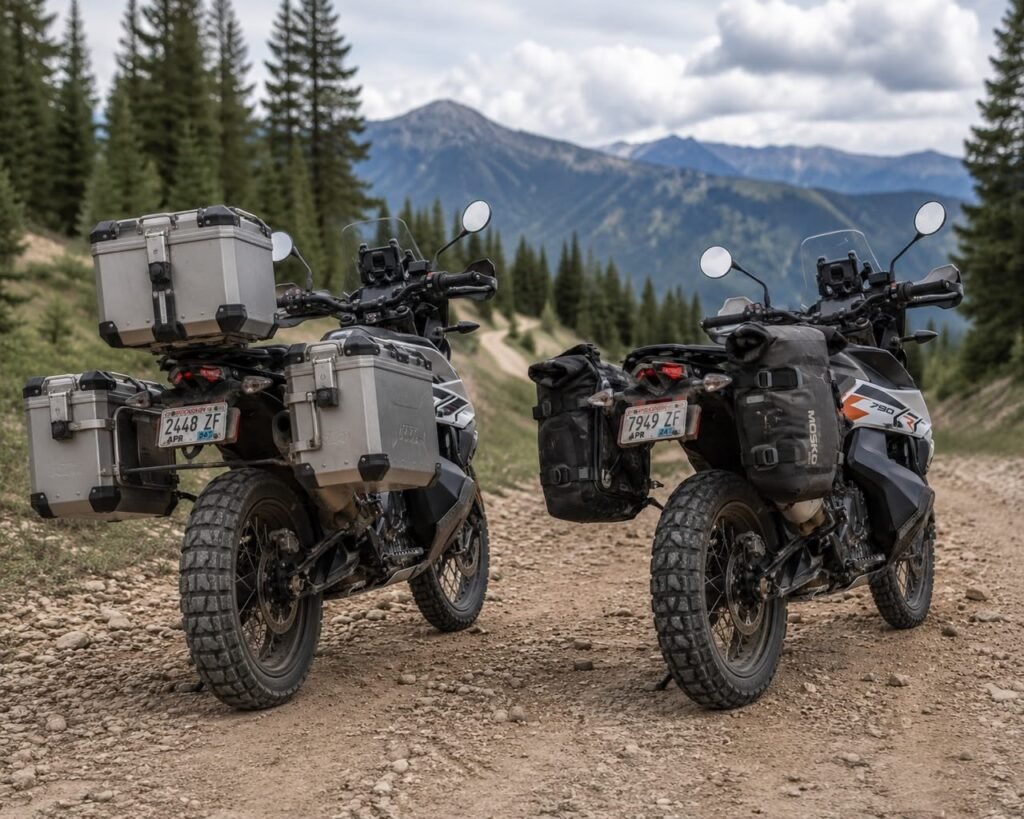
| Metric | Hard Saddlebags | Soft Saddlebags |
|---|---|---|
| Security | Lockable, theft-resistant | Slash-resistant fabric only, no true lock |
| Crash Resilience | Can crack or bend frame on impact | Absorbs impact, protects legs |
| Weight | Heavier, adds unsprung mass | Lightweight, minimal bike impact |
| Waterproofing | Fully sealed when latched | Roll-top/dry-bag designs needed |
| Price-to-Value | Higher upfront, lasts years | Lower upfront, replace more often |
| Installation | Requires mounting brackets/subframe | Straps on in minutes, no tools |
So what does this actually mean for your wallet and your riding? The hard vs soft motorcycle saddlebags debate ultimately comes down to balancing security with crash resilience. Hard cases protect your gear from thieves but can transfer more force into your bike—and even your leg—in a crash. Soft bags are generally more forgiving in a fall, but they rely on durable fabric and a padlock instead of a rigid locking shell to keep your belongings secure.
Are hard saddlebags worth the money? In many cases, yes—especially if you’re riding long distances on pavement, making frequent fuel stops in unfamiliar places, and carrying expensive gear you can’t afford to lose. In the hard vs soft motorcycle saddlebags comparison, hard luggage demands a higher upfront investment, but a quality aluminum or fiberglass set can easily outlast several inexpensive soft bags. If your riding consists of shorter trips, technical off-road adventures, or budget-conscious commuting, soft saddlebags usually offer better value, lower weight, and less risk of injury if things go sideways.
The Riding Style Decision Matrix
Generic advice doesn’t help anyone. So here’s how I’d break it down by the kind of riding you actually do.
The Adventure (ADV) & Dual-Sport Rider
This is where the hard vs soft motorcycle saddlebags debate gets the most heated among riders I know, because the terrain punishes bad choices fast. If you’re picking between hard panniers vs soft luggage adventure bike setups, listen to the riders who’ve actually crashed on technical terrain — because a lot of them switch. I know several ADV riders who ran aluminum panniers for years, then traded them for soft luggage after a low-speed spill on a rocky trail bent a bracket and nearly took out an ankle. For best soft saddlebags for adventure riding, look for reinforced mounting points, high-denier fabric, and a rack system that keeps the bags away from your legs. Off-road, flexibility usually beats rigidity.
The Cross-Country Tourer & Daily Commuter
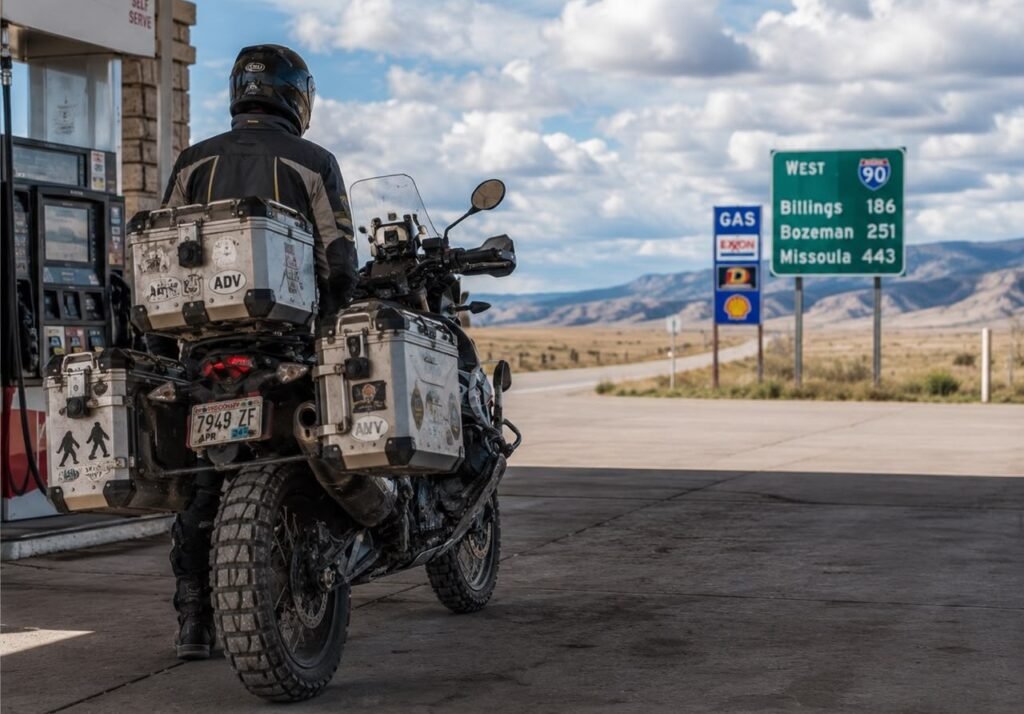
Asphalt-heavy, high-mileage riding is where hard systems earn their keep. You’re stopping at more gas stations, more rest areas, more places where an unattended bike is a target. Hard cases give you real security while you grab coffee. They also handle multi-day rain exposure better and stay stable at sustained highway speeds, which matters when you’re logging 400-plus miles a day and your reaction time is fading by hour six.
The New Rider on a Budget
If you’re new to motorcycle saddlebags entirely, don’t overthink this. Start with a mid-range soft saddlebag set. It’s cheaper, it won’t require subframe modifications you’re not ready to evaluate, and it teaches you what you actually need before you drop real money on a hard-case system. You can always upgrade once you know your riding style.
FAQ
Are soft saddlebags safe for highway speeds?
Yes. Quality soft saddlebags are safe at highway speeds when they’re properly secured and designed for motorcycle touring. Most shifting problems come from loose straps or poor installation, so always check the mounting tension before a long ride.
Do hard saddlebags damage motorcycle frames?
They can if they’re installed with low-quality mounting brackets or improperly torqued hardware. Over time, poor mounting can stress the subframe. Using quality brackets and inspecting them regularly helps prevent damage.
Can I put soft saddlebags on any motorcycle?
In most cases, yes. Soft saddlebags use straps, hooks, or throw-over designs that fit a wide range of motorcycles without permanent modifications. Just make sure the bags are kept clear of the exhaust and rear wheel.
What’s better for rain: hard or soft saddlebags?
Hard saddlebags generally provide the best weather protection because their sealed shells resist heavy rain. Waterproof soft saddlebags with roll-top closures can perform just as well, but only when they’re closed and sealed correctly.
How much should I spend on motorcycle saddlebags?
Entry-level soft saddlebags typically cost around $100–150. High-quality waterproof soft luggage usually falls between $250–400, while complete hard saddlebag systems with mounting hardware generally range from $500–1,200, depending on the brand and materials.
What’s the biggest difference between hard and soft motorcycle saddlebags for everyday riders?
The main differences are security and weight. Hard saddlebags offer lockable storage and excellent stability at highway speeds but add extra weight and width. Soft saddlebags are lighter, easier to remove, and often more affordable, though they don’t provide the same level of security.
Are hard or soft saddlebags better for beginners?
Soft saddlebags are usually the better choice for new riders. They’re less expensive, simpler to install, and more forgiving while you learn how much luggage you actually need and what type of riding you do most.
The Buyer’s Checklist & Final Verdict
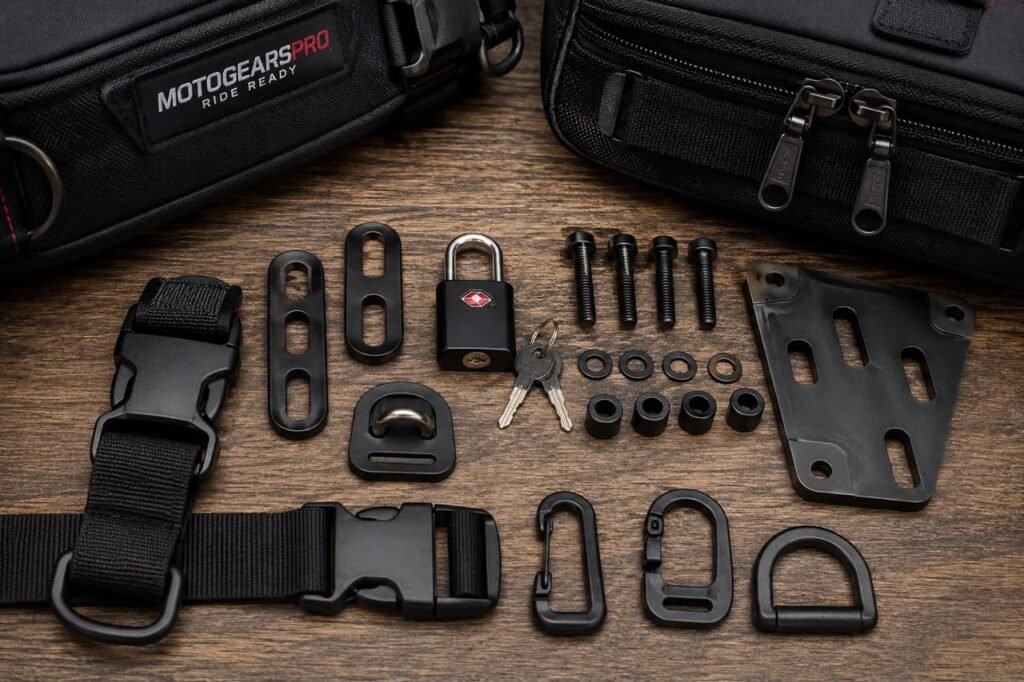
Before you buy anything, run through this:
- Universal fitment — confirm it actually fits your bike’s model and year, not just “most motorcycles”
- Zipper and hardware quality — YKK zippers or true metal locks, not the unbranded stuff
- Frame and subframe compatibility — especially critical for hard case mounting brackets
- Waterproof rating — look for actual IPX ratings, not just “water-resistant” marketing language
- Mounting hardware included or sold separately — this changes your real total cost
- Weight capacity — check it against what you actually plan to carry, not the max spec
At the end of the day, the hard vs soft motorcycle saddlebags decision comes down to what you’re risking and what you’re protecting. If security and weatherproofing top your list and you ride long miles on pavement, spend the money on a quality hard case system with real mounting brackets. If you value flexibility, lower impact risk, and lighter weight — especially off-road — soft luggage is the smarter buy. I’ve run both over the years, and the bikes I trust most are wearing the system that actually matches how I ride them, not the one that looked best in a catalog.